The Story Behind the Data: Exploring the Diversity of Data Sources at the Census and Statistics Department
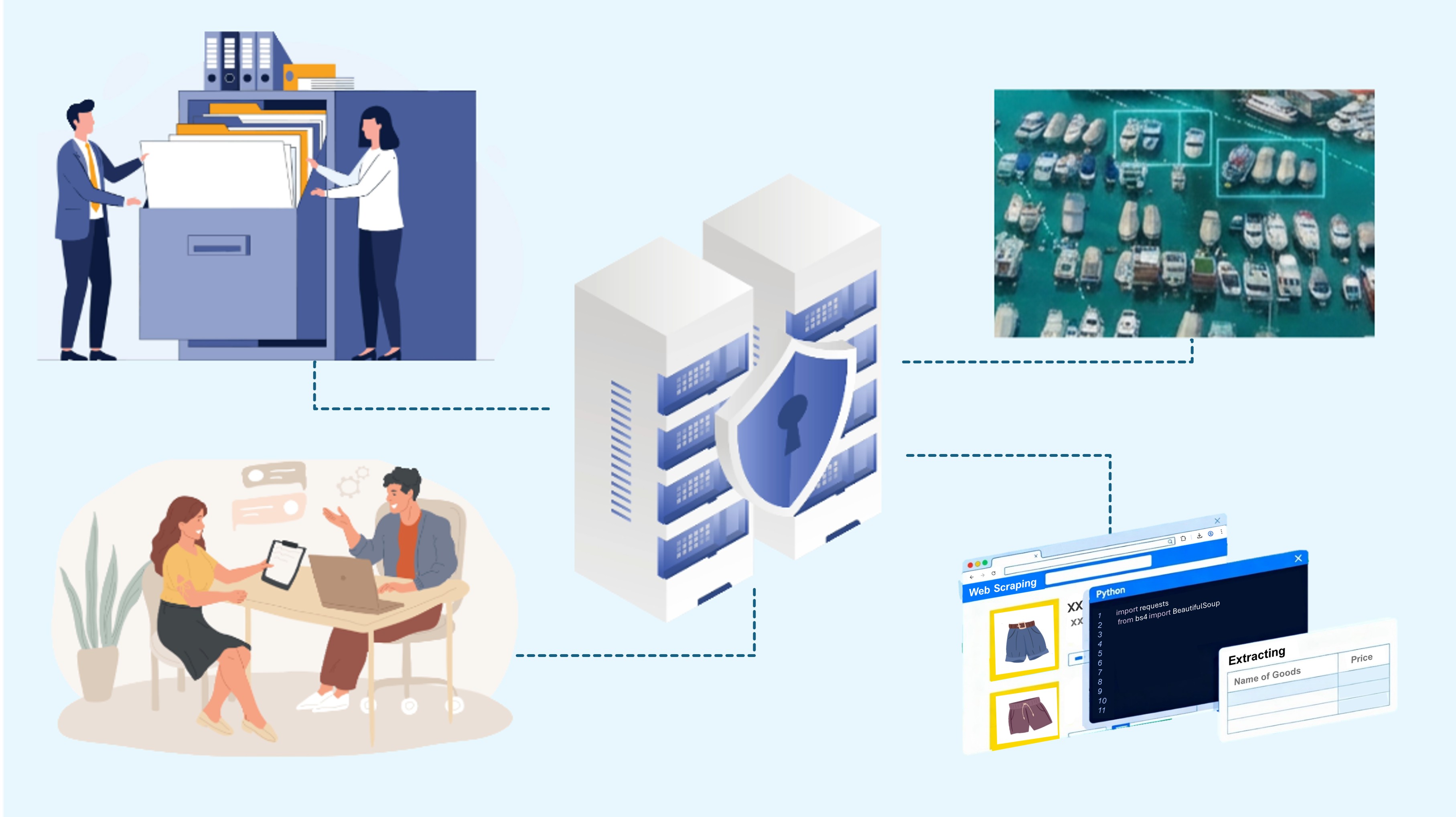
When you come across official statistics quoted in the news articles or reports, have you ever wondered where those numbers actually come from? The statistics compiled by the Census and Statistics Department (C&SD) are drawn from various data sources, each with its own unique strengths, to deliver comprehensive and reliable information.
Statistical Survey Data: Indispensable First-Hand Information
The best-known data source is statistical surveys. Households and establishments provide information by completing online questionnaires. Field officers can also collect data directly from respondents through telephone or face-to-face interviews. This first-hand information forms an irreplaceable core foundation, providing crucial support for the compilation of statistics.

Administrative Records: Unlocking Statistical Value from Daily Operations
Apart from statistical surveys, administrative records generated in the course of day-to-day operations also hold great statistical value. For example, records from birth registrations, business registrations, import/export declarations, or applications for various government services can all be transformed into valuable statistical data.
C&SD has long been leveraging these administrative records to compile various statistics. Taking the 2026 Population Census as an example, C&SD draws on existing administrative records held by the Government and other public bodies to supplement survey data, thereby simplifying certain questionnaire items, such as those on public housing rents and social benefit amounts. This will avoid duplicate collection of the same information. Another example is using immigration records to help estimate population size and structure more accurately, while improving data quality, reducing costs and easing the reporting burden on respondents.

Image Data: Expanding Data Collection through Technology
When people think about population, they often think of the “land-based population” living in buildings. However, Hong Kong also has a “marine population”. To estimate their numbers, it is necessary to first know the number of vessels in Hong Kong waters. For this purpose, C&SD applies image analytics to aerial photos at sea in the 2026 Population Census, to automatically detect vessels in the photos, classify and label different types of vessels according to their shapes and features, and calculate the number of vessels. This approach combines advanced technology with traditional statistical analysis, providing a new perspective for statistical work.

Web Scraped Data : Capturing Real-Time Market Insights
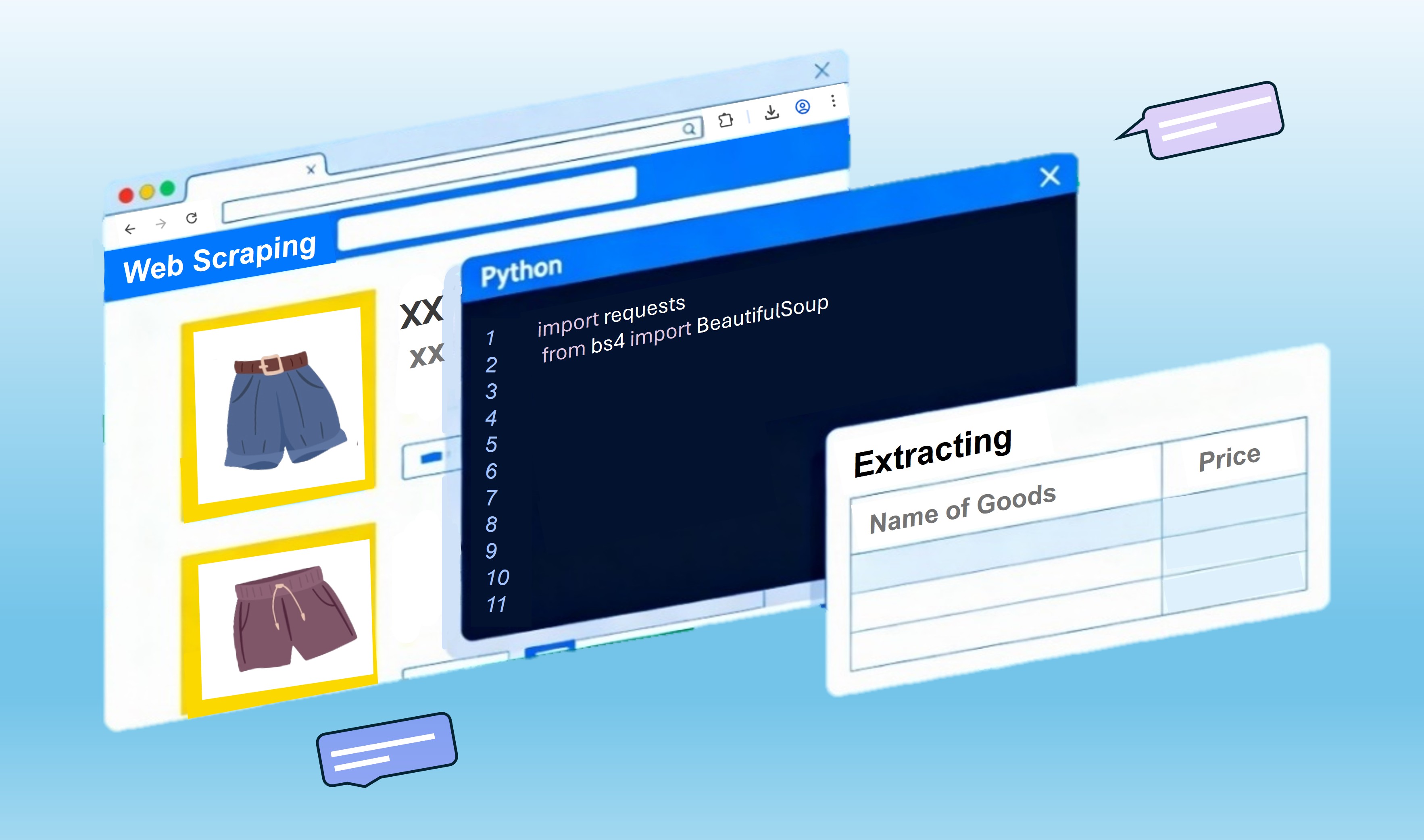
To better understand market dynamics, C&SD uses web scraping techniques to automatically extract the pricing information of specific goods from relevant websites. This approach complements traditional surveys like field visits, helps keep up with fast-changing markets and provides more timely data for compiling price statistics.
Today’s official statistical work extends far beyond traditional questionnaires. By harnessing a broader range of new data sources, C&SD can produce statistics that more accurately and promptly reflect the latest social and economic conditions.
LAW Ka-yee, Agnes
Statistician
13 January 2026